
Want to be one hundred percent more inspiring, memorable, and hire-able? Tell a true story.

Ellen Fondiler | Grab Bag

You buy a ticket to go to a conference.

Two famous motivational speakers are headlining the event.

You are excited to see both of them speak.

The first speaker comes onstage and says a lot of really positive things.

“Go after your dreams!” “There is nothing stopping you!” “You can do anything you set your mind to!” and so on.

You listen. You agree. You applaud. The first speaker takes a final bow and you think, “Well, that was very nice!”

The second speaker comes onstage and you wait for another flood of positive, encouraging statements. But this speaker is different. This speaker tells you a true story.

It’s a true story from her own life. A story about a dream, a quest, a huge obstacle, a horrific betrayal, a time when she nearly lost all hope, and what it took to pull through.

Your jaw hangs open. You can’t believe what she has survived and what she has been able to accomplish despite unthinkable pain and adversity.

When she ends her talk by saying, “I’m telling you: you can do anything you set your mind to,” you explode onto your feet along with the rest of the audience. Standing ovation. Your heart is pounding and for the first time in your life you truly and fully believe that anything is possible. Sure, you’ve heard those words before… but now? You have a reason to believe.

The difference here? It’s pretty obvious.

The first speaker stated the facts. (“You can do anything!”)

The second speaker told you a story. (“You can do anything and here’s why…”)

If you want someone to listen to you, remember you, feel emotionally connected to you, and feel excited to be in your presence, simply “stating the facts” is not going to cut it. You’ve got to tell a story. Ideally: a true story from your own life.

Telling a powerful story can mean the difference between getting called back for a second job interview, or not, getting hired by a client, or not, securing funding for your concept, meeting the right people, getting selected for a speaking gig… or not.

Feel like you’re not a “good storyteller”? Don’t get defeated. Like anything else, it’s a skill that can be acquired and refined.
ELLEN_FONDILER_GRAB_BAG_WILLIE_FRANKLIN

Here are some of my all-time favorite resources on the art of storytelling:

One of my favorite TED talks of all time. Watch it now — with Kleenex nearby.

• Listening to brilliant storytellers can make you a better speaker, too. Here are some great podcasts. Here are a couple more that I love.

• Here are some smart tips on how to tell a story that can land you a job — or help you garner support for your new start-up business.

• Still not sure how to tell the story behind your new business? More insights, right here.

Workbooks with fill-in-the-blank templates to help you craft sensational stories, wow prospective employers, and get the job you want. (Definitely check out this one and this one, in particular.)

You might think your life is “boring” or that you don’t have any “interesting stories” to tell. Let me assure you: you are wrong.

You do have stories to tell. You’ve lived. You’ve been tested. You have fallen and have gotten back up. You’ve learned things about yourself and the world. You’ve got stories, just waiting to be told.

Tell them.

People will respond differently to your words, immediately.

Your career will never be the same.

Find great work. Do great work. Unlock every door in your way.

ELLEN_SIGNATURE

P.S. Got a major career milestone coming up — like a job interview, a speaking engagement, or a business launch? Want to tell a jaw-dropping story that will grip your audience by the heart — but struggling to find the right words?

Talk to me about getting professional editing for your job application, website content, or presentation. I’d be honored to help you tell your story with even more clarity and power.


Image: Willie Franklin.

Ask Ellen: How Can I Become A Braver Person?

Ellen Fondiler | Advice

Dear Ellen,

I am what you might call a “personal development junkie.”

I read all the blogs, all the magazines, and all the books. I can rattle off quotes from Tony Robbins, Oprah and Martha Beck from memory.

Everyone is always talking about “being brave” and “courageously pursuing your dreams” and “not letting fear hold you back.”

I want to pursue my dreams. I want to be brave. But most days, I feel like I literally don’t know how.

How do I get from “reading” and “thinking” about being brave to actually “doing” it? I feel like I’m missing the courage gene.

I’m sick of feeling stuck and disappointing myself.

Want To Be Brave

Ellen Fondiler: Ask Ellen

Dear WTBB,

There is a huge sign at the Facebook offices in Menlo Park that says:

“What would you do if you weren’t afraid?”

It’s an intriguing question. Yet it’s also a frustrating one.

Because the truth is: we ARE afraid!

Nobody is one hundred percent “fearless.” We all have worries, concerns and anxieties. That’s human nature.

Being afraid is a natural human response to risk and adversity.

Fear can protect us from making careless mistakes, but — as you know all too well, WTBB — fear can also block us, weigh us down, and rob the world of the contributions we were born to make.

So what can we do when we hit a thick, impenetrable wall of fear? How do we summon up the courage to move forward with our dreams?

It’s a big question that you’re asking, WTBB, but I may have some words that can help you.

Brené Brown — a researcher who studies courage, shame, and vulnerability — recently shared this true story about how scared she felt before delivering her (now famous) TED Talk:

“Seconds before I was introduced [for my TED Talk], I thought about a paperweight on my desk that reads, “What would you attempt to do if you knew you could not fail?”

I pushed the question out of my head to make room for a new question.

As I walked up to the stage, I literally whispered aloud, “What’s worth doing even if I fail?”

I love that question:

What’s worth doing even if I fail?

It’s a very different kind of question from “What would you do if you knew you could not fail?” (because failure is always a possibility) and “What would you do if you weren’t afraid?” (because you’ll never stop being afraid).

The key phrase? Even if.

What’s worth doing, or at least attempting, even if it doesn’t work out?

Now THAT’S an interesting question — and it might unlock a kind of bravery you didn’t realize you had.

The next time you’re standing at the doorway to your next job interview, totally terrified… or meeting that intimidating mentor for the very first time… or applying for that grant… or standing up for what’s right… and your fear stops you dead in your tracks and you wonder:

“What can I tell myself to stop feeling so afraid?”

Maybe, like Brené, you can tell yourself:

“I’m afraid and that’s OK. I am allowed to feel scared. But I am doing this anyway. Because this is so important to me, it is worth attempting even if I fail.”

I know there’s a brave lion-spirit inside of you, WTBB.

With every bold move you make and every step you take — no matter how small — your courage will continue to grow.

Just keep saying those two magic words to yourself:

“Even if.”

Find great work. Do great work. Unlock every door in your way.

ELLEN_SIGNATURE


Image: Willie Franklin

UNLOCKED Stories: Dale Franzen, Opera Singer and Executive Director

UNLOCKEDSTORIES

Ellen Fondiler: Unlocked Stories

To do the work you love, you’ve got to unlock a few doors. UNLOCKED Stories are honest conversations with people who chose a path and made it happen.

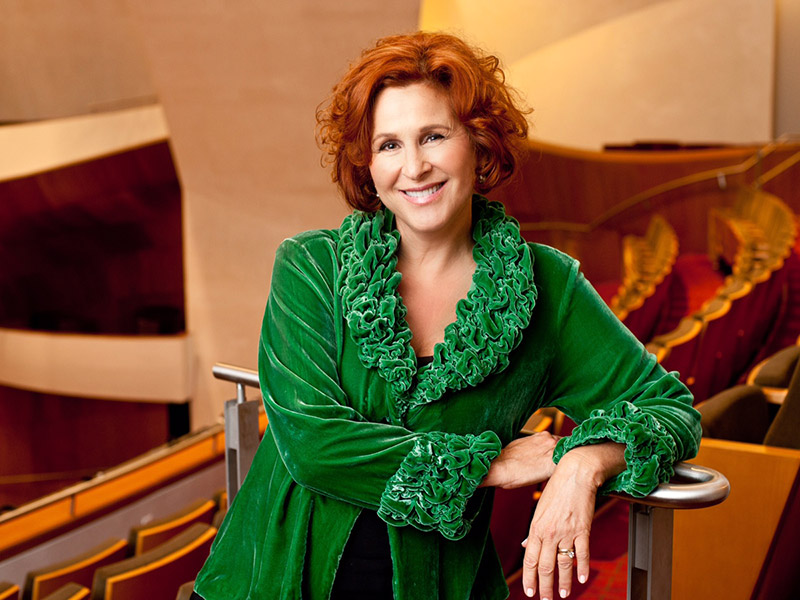
A note from Ellen: I’m excited to feature this interview with Dale Franzen, a former opera singer who — after retiring from singing full time — took on an “impossible project” that nobody thought she could complete: raising millions of dollars to construct and then run a new performing arts center, and in doing so, changing the entire landscape of her community.

If you’ve got a dream or project that feels “too big” or “too hard,” I know that Dale’s story of perseverance will motivate you to keep fighting no matter what.


What do you do?

[Dale]: I recently stepped down from being the artistic director and executive director of The Broad Stage on the west side of Los Angeles. I worked there for 17 years.

Right now I am in “sabbatical mode.” Not really working. Just playing and exploring, having lunches with interesting people, and giving myself permission to slowly choose my next move.

This is the first time in my entire life where I have the luxury of not “having” to work — and I’m enjoying it to the fullest! Expanding my hat collection is a top priority right now. I’m also very into scarves and fascinators.

What were you doing before you worked at The Broad Stage?

[Dale]: I was an opera singer. I sang professionally for about 20 years.

It was an incredibly rewarding path — but also highly demanding. Long rehearsals, late nights at the theater, intense pressure, lots of traveling, and of course, time away from my family.

Being a full-time performing artist brought me intense joy for a very long time. But after having my third child, I knew it was time for a change.

I transitioned into teaching voice lessons in the music department at a local college. Working there, I met the then-president of the college, Piedad Robertson — a woman who soon became my mentor and a huge source of inspiration.

One day, Piedad invited me to come along with her on a little “field trip.” We visited the site of an elementary school that had been ruined in a recent earthquake. She told me that the college had purchased the plot of land.

She gestured at the concrete rubble and asked me, “What do you think we should build here?”

Without thinking, I blurted out, “A theater!”

She said, “Great, you do that.”

I thought she was joking but she wasn’t. She created a brand new position for me at the college — “Director of Special Projects” — and set aside a small amount of funding to set the project in motion.

As a former opera singer, I had zero experience in business, fundraising, construction, managing a team, negotiating with city councils, anything like that. But I was passionate and I had a vision — I think Piedad recognized that in me.

I was so inexperienced, I remember thinking to myself in those early stages of the project: “Well, how hard could this be?”

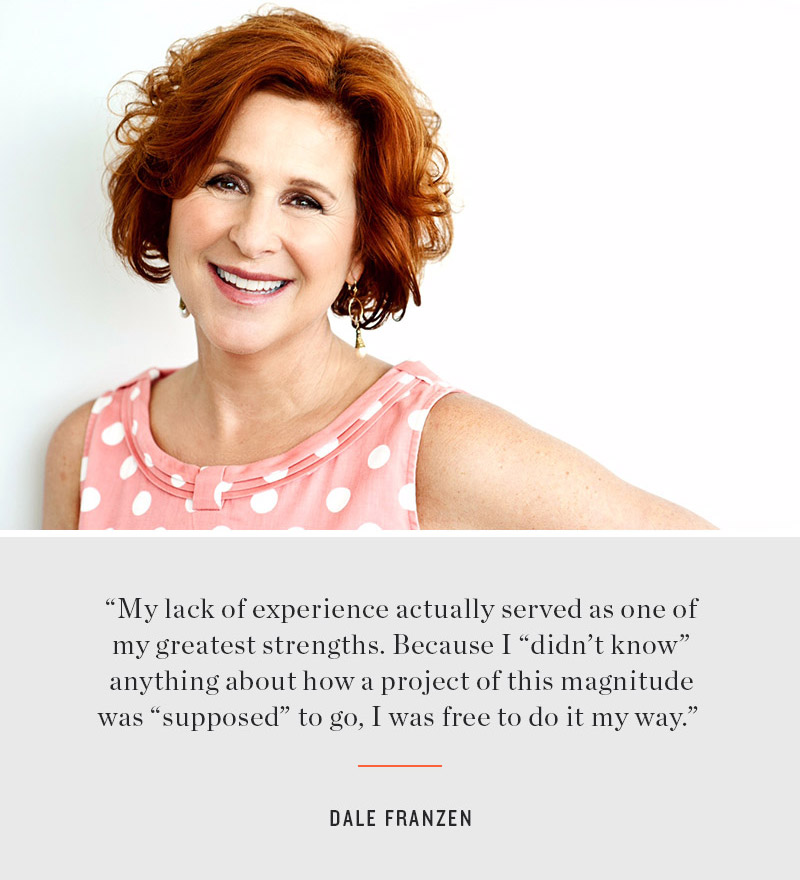
My lack of experience actually served as one of my greatest strengths. Because I “didn’t know” anything about how a project of this magnitude was “supposed” to go, I was free to do it my way.

It took 10 years and required unbelievable effort and conviction, but ultimately, the theater was born.

I ran the theater for 7 years after it’s completion and then decided that it was time to pass the baton on to somebody else. Every chapter comes to a natural end. When it’s time, you just know.

Ellen Fondiler: Unlocked Stories

What is your favorite part about what you are doing now?

[Dale]: I am in a beautiful free fall period where I don’t urgently “need” to work — but if I want to, I can.

I am free to reimagine my new life.

I do have a few projects lined up for the future, though, including co-producing an original musical called Hadestown, based on the Greek myth of Orpheus in the Underworld. It will debut in NYC in spring 2016. The music is phenomenal and I can’t wait to see it all come together!

What is your least favorite part about what you do?

[Dale]: In terms of running a theater: contracts, legal stuff, long boring meetings, procedures and processes. Anything involving “red tape.”

I am a “throw out the rulebook” kind of person, and when you’re working in a team environment within a large organization, like a college, that attitude can sometimes be problematic! Ha!

When you’re having a difficult or stressful day, how do you get through it?

[Dale]:Chocolate. Cup of tea. Walking. Yoga. Swimming in the ocean. Laughing with my kids or friends. Sex. Cuddling. Hot tubs. Massage. I also “self-medicate” with lots of lots of Grey’s Anatomy and Scandal. I talk about my favorite TV characters’ lives like they are real people. My husband calls them my “special friends.”

What has been the most challenging moment of your career so far?

[Dale]: When I was in the process of building The Broad Stage, we had over forty neighborhood meetings that were grueling, exhausting and very draining.

Even though we had a beautiful vision — to build a theater — a lot of local residents were violently opposed to the idea and had a LOT of opinions to voice.

I still remember one meeting where a local resident said something to me that was so offensive, so cruel and inappropriate, I actually broke down in tears.

But I survived and I learned several important lessons.

One: I am very good at some things, others not so much. So I had other people on my team handle those neighborhood meetings after I attended the first five or so.

Two: it’s important to listen to people’s opinions even if they are difficult to hear. By honoring our local residents and taking the time to listen to everyone’s thoughts on the project, we earned their trust and respect.

Who are your personal heroes and role models?

[Dale]: Eleanor Roosevelt

Isadora Duncan

Josephine de Beauharnais

Oscar Wilde

Nelson Mandela

My aunt Mimi

Winston Churchill

Each of these people overcame great personal, societal or political difficulties with originality and aplomb. Love that word: aplomb!

How do you get through “locked door” moments where you feel completely frustrated or stuck?

[Dale]: Go to sleep. Dream on it. Ask my husband and children and five trusted folks for their input. Look for a sideways solution — always remember that the ideal solution might not be obvious. Breathe. Tell a joke. Watch Outlander!

Last but not least: What’s your advice for anyone who wants to do amazing work in the world, stay motivated, and unlock major doors?

[Dale]: Always have a snack and a wrap. You might get hungry or chilly!

Take naps and get enough sleep.

Tend your body and soul first. If you’re exhausted, sick or unhappy, then it will always be a struggle to move your projects forward.

Take time to be alone and quiet for part of each day, sitting or walking, doing nothing, not multi tasking.

Listen to music. Look at great art. Spend time in nature.

LOVE deeply and without hesitation.

Have a partner, children and a few good pals.

That’s enough.

Ellen Fondiler: Unlocked Stories

UNLOCK yourself

Three questions to think about, write about — or talk about with a friend.

1. Dale worked as a professional opera singer for 20 years — but after having her third child, she started to feel like it was time to transition into something new.

: Have you ever had a little whisper inside of you saying, “It’s time for a change”? Do you feel that way right now? What’s driving your desire to make a change?

2. When Dale took on the task of building a new theater, she was inexperienced and had no idea how difficult the project would be. But her lack of experience actually proved to be a blessing — she was free to make up the rules as she went along.

: Can you remember a time in your life where you had to “dive in” and “figure it out” as you went along? How did that feel? What was the end result?

3. Dale reminds us: “Tend your body and soul first. If you’re exhausted, sick or unhappy, then it will always be a struggle to move your projects forward.”

: What is one way you could give your body and soul some extra TLC today?

ELLEN_SIGNATURE


For more UNLOCKED interviews, click over here.

Know somebody that ought to be spotlighted? Write to me here.

See you next time for another inspiring conversation!

UNLOCKED Links: May 2015

Ellen Fondiler | UNLOCKED Links

Once a month, I curate the best links on how to find work that you love, be excellent at what you do, and unlock any door that stands in your way.

Here’s your list for May!

THOUGHT FOR THE WEEK

Ellen Fondiler | Unlocked Links: May 2015

Job hunting? Need inspiration? Here are 8 great TED talks to help you find the right job.

Want to feel “rich” without getting attached to a specific number in your bank account — or material possessions? One beautiful insight: collect experiences, not things.

From my dear friend Heidi Rose Robbins: How to show up with courage and grace even when you’ve got sweaty palms and feel overwhelmed with fear.

There are 76.4 million baby boomers in the United States — and they’re looking for smart products that can help them to live well and age gracefully. A neat side-effect: there’s a boom of hot new inventors over the age of 50.

I love reading obituaries, especially when they’re printed in small, quirky publications. Such an interesting glimpse into ordinary people’s stories. Here is what a small-town obituary writer can tell us about what it means to live a “good life.”

The humble story of this year’s Pulitzer Prize winner for poetry: Gregory Pardlo. After a long path riddled with alcohol dependency, odd jobs in restaurants, and failed businesses, he’s finally on top of the world. Further proof that the “road to success” is rarely smooth or predictable.

NPR never fails to deliver brilliant ideas. For a more organized life, desk, and workday — think like a chef!

10 words every girl should learn. I wish I had learned these when I was in my teens and twenties!

For entrepreneurial types: have you ever fantasized about creating your own line of t- shirts, coffee mugs, posters, and other print items? It just got a whole lot easier.

We all know that exercising is great for your body, mind and spirit. So why is working out such a joy for some people — and total drudgery for others? This TED Talk may reveal the answer. So fascinating.

Last but not least: From bestselling author and entrepreneur Danielle LaPorte: 15 tips for public speaking that apply to shining at work and just about everywhere else. My favorite: “Being prepared is an act of love. And intelligence.”

Find great work. Do great work. Unlock every door in your way.

ELLEN_SIGNATURE


Image: Willie Franklin

Ask Alex & Ellen: Why Am I Such A Flake?

Ask Alex & Ellen

I love giving advice. So does my friend Alex. 

We come from different generations and we’re at very different points in our lives and careers. But we share the same philosophy: every door can be unlocked. 

Every once in a while, we  partner up on a special installment of my advice column, Ask Ellen. It’s called… Ask Alex & Ellen. 

Two hits of advice in one column.

We hope you enjoy it!

Dear Alex & Ellen,

I don’t want people to think of me as a “flaky” person, but the truth is… I kinda am.

It’s embarrassing to admit, but I make plans — and then cancel at the last moment — on a pretty regular basis.

I say I’ll go the gym, then I don’t. I promise to meet up with friends, then ask to reschedule. I say I’ll deliver a project at 5pm, but then procrastinate and wind up needing more time.

I don’t like the fact that I behave this way. I know I can do better.

Any advice on how to stop flaking out and disappointing myself… not to mention, other people?

Need A Cure For Flakedom


Alex says:

In my experience, people tend to flake out for one reason:

You never really wanted to say “Yes” to the commitment in the first place.

You only said “Yes” because you felt scared, pressured, or worried about missing out.

And now? You’re feeling resentful.

My advice to you is very simple:

The next time somebody makes a request, invites you to hang out, or asks for a favor — and you’re about to say, “Sure thing!” — STOP.

Ask yourself, “What is driving me to say Yes?”

Are you being driven by enthusiasm, passion, joy… love? Great. Check your calendar. Make sure it’s truly realistic. All good? Say “Yes.”

Are you being driven by fear of missing out, fear of what people might think, a sense of obligation, or a sense of scarcity? None of those are great reasons to make a commitment. Either change your attitude about the commitment, entirely… or say “No.”

As a smart woman once told me, “Make a Love Choice, not a Fear Choice.”

Make a Fear Choice and you’ll always want to flake out.

Make a Love Choice and you’ll always want to show up.


Ellen says:

Alex makes some good points. Being honest about what’s driving you to say “Yes” — love, or fear — is a great place to begin.

But I’ve got a hunch that there’s another step you’ll need to take, Need A Cure For Flakedom.

I suspect you have been telling yourself a particular kind of story. This story been playing and re-playing in your head for so long, now, that it feels like “the absolute truth.”

In order for you to permanently change your habits — and put an end to the flakiness — you must change the story that you’re telling yourself.

I know this, because I have experienced the exact same thing. (When you’ve lived as long as I have, you start to look at younger people with tremendous empathy. “Yep, been there… suffered through that!”)

I used to be perpetually 10 minutes late to everything. Coffee dates. Picking up my kids at school. Even business meetings.

I thought of myself as a VERY BUSY PERSON — this was the story inside my head! — and somehow that “excused” me from having to be on time.

This wasn’t much fun. Not for the people I kept waiting. And certainly not for me.

Being late was anxiety-provoking. I would arrive out of breath and apologetic. It often took another 10 minutes for me to regain my equiibrium and get things back on track. This added up to a lot of wasted time.

One day, I realized I wasn’t late because I was “busy” — I was late because I always tried to pack one too many things onto my schedule. In other words, I was late because I was unreasonable and unrealistic with my time.

For example, I would have 5 minutes before I needed to leave the house, and say to myself, “Oh, I can get just onnnnne more thing done. No problem!”

Then I’d lose myself in a project that (always) took longer than expected, and wind up frantically rushing out the door 10 minutes late.

Once this realization sank in, I decided to tell myself a new story.

Instead of, “I’m such a busy person!”

I began to say to myself, “I’m not overly busy. I have enough time for everything I want to do. I just need to be calm and reasonable when it comes to how many things I schedule, each day. I can do that. I value my time, and I value other people’s time, too.”

After changing the story, my behavior changed, too.

These days? I am never late. Often, I am the first person to arrive! My life is so much easier and less cluttered… and, ironically, I get so much more accomplished!

You can change your story, too.

Instead of telling yourself: “I’m a flaky person who doesn’t do what she promises,” you can begin to say to yourself, “I am reliable and trustworthy, and when I make decisions, I am driven by love… not fear.”

Tell yourself a new story, and you’ll begin to make new decisions. Better ones. That’s how it works!

I know you don’t want to go through life defining yourself as a flake. So just stop.

Define yourself differently. Start today.

Both of us know you can do it!

With love, times two,

Alex & Ellen


Image: Willie Franklin.

Susan Mathison: Triple Board Certified Physician and Health and Wellness Columnist

Ellen Fondiler | Pick My Brain

Ellen Fondiler | Susan Mathison: Triple Board Certified Physician and Health and Wellness Columnist

Ever wish you could sit down with a super-accomplished person and ask, “What does it take to break into your industry? What’s it like to be you?”

With Pick My Brain, that’s exactly what we do.

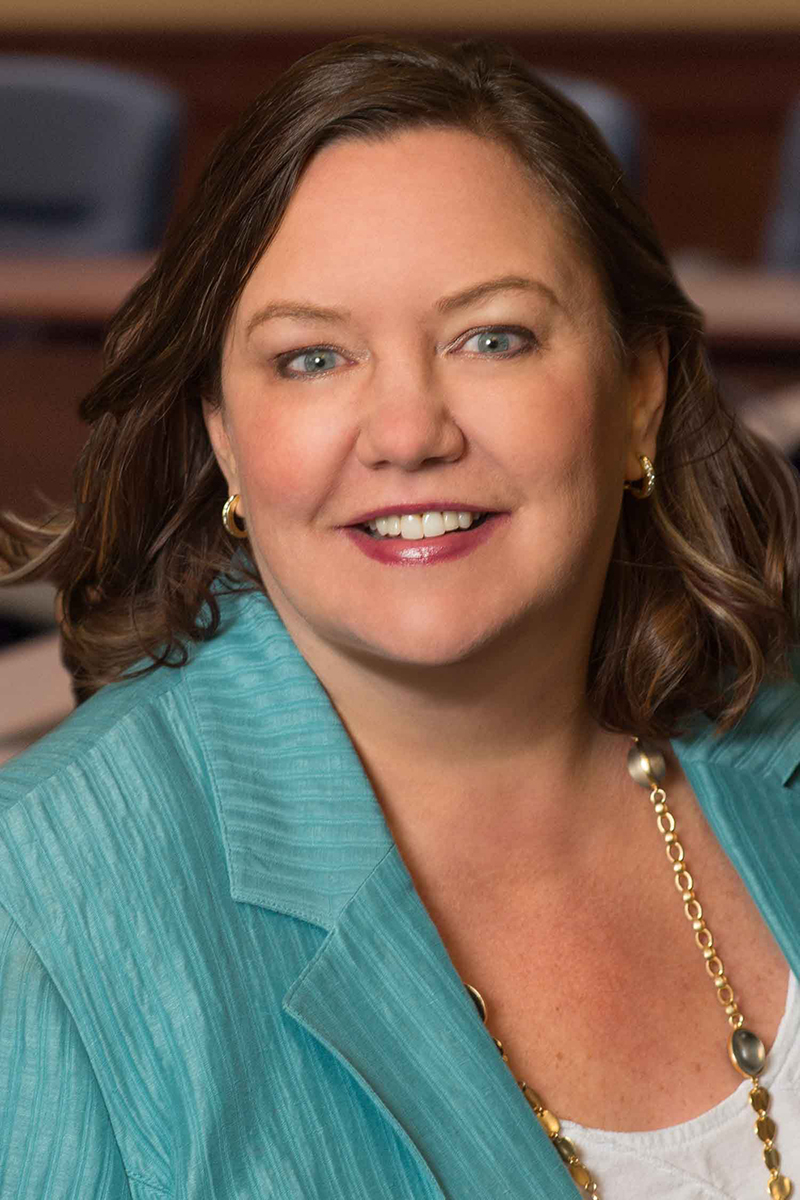
Enjoy this new installment featuring the extraordinary Dr. Susan Mathison, MD a triple board-certified physician, health and wellness columnist, founder of The Catalyst Medical Center and PositivelyBeautiful.com.


Question:

Susan, you are not just a physician. You are also a blogger, a public speaker, a business mentor and an author. You have created a beautiful career for yourself and you are a role model for many women in medicine.

For young women who are considering a career in medicine, what are three questions you’d invite them to consider before enrolling in medical school?


[Susan]: Practicing medicine is so rewarding. I love this career, but at the same time, it’s not a career that I would “encourage” anyone to pursue unless they truly, deeply want to do it.

Total honesty: it is hard to be a doctor. Very hard. Many physicians feel isolated and lonely because it’s difficult to understand just how challenging the job can be, unless you’re a physician yourself.

So if this is a career you think you want, I say: be thoughtful and do some serious self-reflection before diving in.

Here are three questions to help you begin:

1. What is your motivation for choosing medicine as your career?

This question may seem overly simple (“I want to help people, of course!”) but it’s worth thinking about and examining with more depth.

If you want to help people, that’s great.

Why?

Do you want to become a dermatologist because you know, from personal experience, how agonizing and confidence-shattering it can be to deal with acne?

Do you want to become a heart specialist because you lost a beloved family member to heart disease and you want to help other families avoid that kind of tragedy?

Do you become a family practitioner because you had a wonderful role model who cared for your family and saw you through many stages of your life?

Do you want to become a sleep medicine expert because you feel heartbroken when you see people staggering around the world in a state of chronic exhaustion — operating at 50% of their full capacity — and you know they deserve better?

Try to get specific about what’s driving you to choose medicine.

If you can, try to identify a moment, a personal struggle, a story from your earlier life, or some kind of specific “pain” you see in the world that you want to alleviate. The more specific, the better.

During difficult and challenging times — like crazy midterm exams or exhausting shifts as an intern — you will need a powerful source of motivation to stop you from giving up.

Clarify your motivation, now, so that you can repeat it to yourself later.

It will help you to stay strong and keep marching.

2. Are you good at taking care of yourself — even in stressful times?

Choosing to work in medicine is a long haul career.

At minimum, you will have four years of school, three to nine years of residency and fellowship training, plus… your career!

You will have long days, long nights, erratic sleep patterns, angry patients, sad patients, highly stressful situations, big demands. There will be a LOT flying at you.

If you are the kind of person who struggles to eat well, rest deeply, plan ahead, exercise, or take care of yourself — even under low-stress situations — then a career in medicine is going to be really tough for you.

Before embarking on a career in medicine, try to solidify healthy habits for yourself, first. You are going to need all the strength you can get.

3. What does your dream practice look like?

We live in an era where many doctors work within traditional hospital systems or clinics. Most of us start out that way, and find it very gratifying.

Some choose temporary positions and travel as a locum tenens doctor, covering practices for other physicians who might be out for maternity leave, illness or even if they dared take a vacation!

And thanks to the Internet, you can do virtual consultations with patients around the world, start a blog, or release e-courses and guidebooks. You can create your own line of skincare products, develop a new healthcare app, or design a medical device. You can do a TEDx Talk, self-publish a book… the possibilities are endless and there are few restrictions.

Physicians have incredible opportunities to lead healthcare reform, to inspire audiences to take personal responsibility for their health, and so much more.

Spend some time considering what your “dream practice” or “fantasy career” in medicine might look like. Think big or small. Local or global. Traditional or unconventional.

It’s wonderful to have a vision that you can work towards. The sooner you have a clear vision, the sooner you can begin laying the groundwork to make it real! But remember, it is never too late to create a new vision and reinvent yourself.

These questions may have rattled you, and if so: that’s good. I encourage you to think carefully before committing yourself to a career with this level of stress and intensity.

But if you are certain, if you feel called, if your motivations are clear… then go for it!

The world needs skillful, loving healers. Desperately.

If you feel called to become one of those healers: Godspeed and infinite blessings. People need you. So very much.

The word “doctor” comes from a Latin word meaning “teacher.”

As a doctor, that is ultimately what your job is all about:

Being a teacher.

Teaching people how to lead happier, healthier, more beautiful lives.

A deep thank you to Susan for sharing her words of wisdom to all of you aspiring to practice medicine. Take her advice to heart as you move forward.  

And remember to always:

Find great work. Do great work. Unlock every door in your way.

ELLEN_SIGNATURE